At MK Orthodontics, Dr. Michal Kleinlerer offers a variety of modern orthodontic treatment options designed to fit your needs, lifestyle, and goals. Whether you’re looking for a reliable solution or a more discreet option, today’s technology makes it easier than ever to achieve a healthy, confident smile.
During your consultation, we’ll help you choose the best treatment based on your smile, preferences, and overall orthodontic needs.
What Types of Braces Are Available?
We offer several effective options to straighten your teeth and improve your bite.
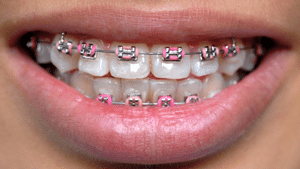
Metal Braces
Traditional metal braces are the most common and reliable orthodontic treatment. Today’s metal braces are smaller, more comfortable, and more efficient than ever before.
They are made from high-quality materials and allow for precise tooth movement. Patients can also customize their look with colored elastics for a more personalized touch.
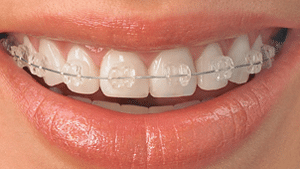
Ceramic Braces
Ceramic braces work similarly to metal braces but use clear or tooth-colored brackets for a more discreet appearance. This makes them a popular choice for teens and adults who want a less noticeable option.
They do require careful oral hygiene and may be slightly more delicate than traditional metal braces.
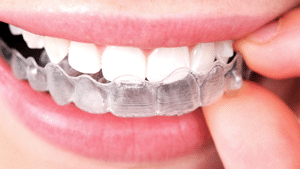
Invisalign Clear Aligners
Invisalign uses a series of custom-made, clear aligners to gradually move your teeth into place. These aligners are removable, comfortable, and nearly invisible.
Because they can be taken out, Invisalign allows you to eat what you like and maintain your regular brushing and flossing routine with ease.
Braces vs Invisalign: What’s the Difference?
Both braces and Invisalign are highly effective orthodontic treatments, but they work in different ways.
Braces are fixed appliances that stay in place throughout treatment, making them ideal for correcting more complex alignment and bite issues. Because they are always working, they don’t rely on patient compliance.
Invisalign aligners are removable and more discreet, offering flexibility for eating and cleaning. However, they must be worn consistently for 20 to 22 hours per day to achieve the best results.
The right option depends on your lifestyle, goals, and the complexity of your case.
What Is the Best Orthodontic Option for Each Age Group?
Orthodontic treatment can be tailored to fit different stages of life.
Children
Early orthodontic treatment may involve growth-guiding appliances or limited braces. The goal is to guide jaw development and create space for permanent teeth.
Teens
Teens often benefit from either braces or Invisalign. Braces are effective for all types of cases, while Invisalign is a great option for teens who can consistently wear their aligners.
Adults
Adults typically prefer more discreet options such as ceramic braces or Invisalign. These treatments provide effective results while fitting comfortably into a busy lifestyle.
How Do I Choose the Right Treatment?
Choosing the right orthodontic treatment depends on your individual needs, lifestyle, and goals. Dr. Kleinlerer will evaluate your smile and recommend the option that best balances effectiveness, comfort, and aesthetics.